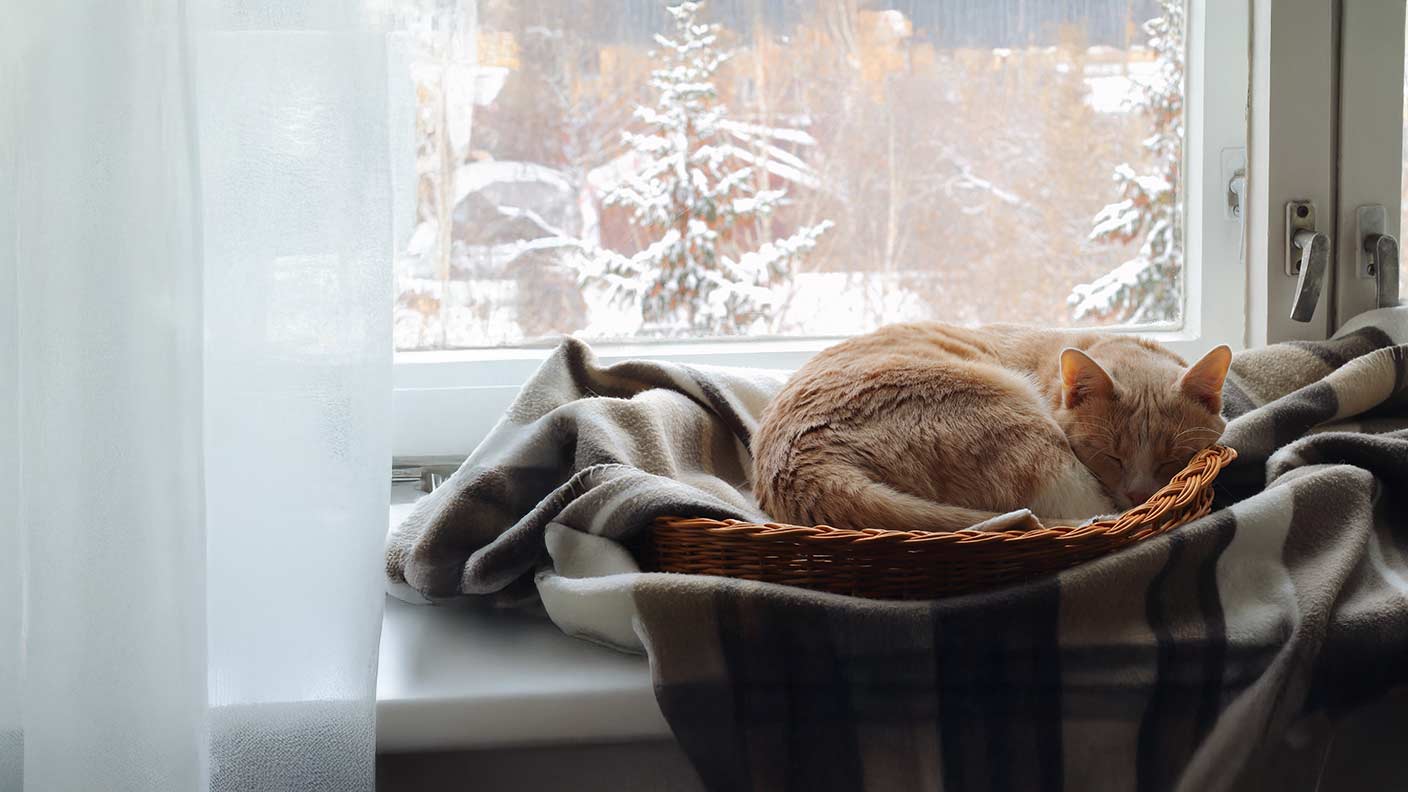
Winter cat care
Taking care of your cats in the colder months is important, as is keeping them warm and dry. This guide will explain winter cat care in more detail and provide tips on how to keep your cat safe and cosy this chilly season.
Pet insurance provided by Pinnacle Insurance Ltd.
Can cats survive in the cold?
While it may be possible for a cat to survive, it’s not humane or recommended to leave them outside in cold temperatures. Cats should not stay out all night in the cold.
Cats can get cold very easily. They have a higher body temperature than humans, so they feel colder more quickly than we do. You may have noticed your cat seeking out the best warm spots in the house – from the patch of sun on the rug to a warm lap.
Kittens, older cats, and those who are unwell will feel the chill quickest. Breeds that have descended from warm climates, like the Egyptian Mau, will feel colder, faster.
The great outdoors also comes with unexpected dangers in winter – from the increased likelihood of cats taking refuge somewhere unsafe to warm up, to the higher risk of road accidents during dark and stormy nights.
What temperature is too cold for cats?
Try not to allow your cat to go outside with temperatures lower than 7 degrees Celsius – no matter how much they beg! Smaller cats, those with thinner coats, and older or younger felines may not be able to tolerate temperatures lower than 10 degrees Celsius.
Some breeds are more suited for colder weather – like Norwegian Forest Cats – so they may tolerate it better. However, all cats will struggle with temperatures below 0 degrees Celsius. This is too cold for cats, and they can be at risk of frostbite and hyperthermia if exposed for long periods.
Keeping cats safe in the winter
You may need to keep a closer eye on pets that love the great outdoors in winter, as it’s not safe for them to be outside in frigid temperatures. Even if they’re asking to go out, they can be at risk of frostbite or hyperthermia.
Here are some tips to keep your felines happy and safe in cold weather:
Give them shelter outdoors
If your feline is truly an outdoor cat at heart, you may be able to provide them with a warm, waterproof, and sturdy outdoor shelter (but continue to provide indoor access). In extreme temperatures, you should encourage them back inside to the safety of the house.
Make sure your cat is microchipped
If your feline goes outside, they may be tempted to go walkies to find a warm place to take shelter. Check your microchip details are up to date, so it’s easy to trace their home if they wander off.
Ensure they have fresh water
Keep your indoor cat’s water bowls filled up in case their water sources freeze. If your cat goes outside, ensure they have fresh water inside and out. Clean all bowls regularly and keep them free from ice.
Make sure they’re warm and dry
If your cat gets wet, dry them off gently. Make sure they have plenty of warm and cosy places to curl up inside, that are free of any draughts. This is especially important for older cats or ones with arthritis and other health conditions.
Keep them entertained indoors
Inside is the safest place for cats in winter. Engage their minds with toys and puzzle feeders and allow them to complete their natural behaviours with scratching posts and boards. Make sure they have litter trays to use while inside – even if they’re used to going outside.
Keep them away from antifreeze
Antifreeze and cats are a big no-go. It poses a real danger to your feline friend. Usually used in car radiators or de-icers, it’s very poisonous to cats. It contains ethylene glycol, which can be fatal if consumed, even if your cat only gets a little on their fur and they groom themselves.
Keep all antifreeze products out of reach and use screen wash or de-icer sprays that don’t contain ethylene glycol. If you need to drain your car radiator, wipe up any remains immediately.
Keeping your cat warm inside
Your cat may still feel the chill even if they’re inside. Luckily, there’s plenty you can do inside to keep cats warm in the winter:
- Dry off your feline when they come indoors – in case they’ve got caught in wet or snowy weather.
- If you notice the temperature dropping overnight, encourage them to sleep in a warmer room.
- Create a cosy snug for them in a draught-free spot, with beds and blankets to keep them warm from their whiskers to their toes.
- You could even consider a pet-safe microwavable heat pad under a blanket. But avoid electric blankets – in case of chewing.
Do cats like snow?
Tiny paw pads and toe beans imprinted in the snow are an adorable image. But how do cats feel about a winter wonderland?
Some breeds, like Maine Coons and Siberian cats, have evolved to tolerate chilly climates. While some cats enjoy playing in the snow, felines traditionally prefer warm and dry places. Cold weather and snow can be dangerous for your cat. It’s best to keep them inside, warm, and dry during snowy weather.
Sainsbury’s Bank Cat Insurance
Keep your cat cosy, safe, and protected with pet insurance. Unexpected vet bills can add up fast and knowing you have some financial cover in place can help make those times a little easier. Sainsbury’s Bank offers a range of cat insurance policies so you can choose a cover option that suits your feline friend the best.
FAQs
Can cats get hypothermia?
Yes, cats can get hypothermia. If your feline is exposed to extreme temperatures for long periods of time, they are at risk of catching hyperthermia and frostbite. Take measures to keep your cat safe in the winter. According to PetMD, cats left in temperatures under 0 degrees Celsius for an extended period of time may become hypothermic.
Can cats stay out all night in the cold?
It’s best to encourage your cat to stay inside overnight in the winter. Aside from cold temperatures, dark winter nights also bring other risks – from your cat seeking refuge in potentially unsafe places to being less visible around icy roads.
Should cats go out in the winter?
Adventurous felines may still want to venture outside in the winter. To do so, you could provide them with a waterproof and sturdy outdoor shelter. Remember to ensure they can get back inside easily and that they have plenty of fresh water available, in case outdoor water sources freeze. In extreme temperatures, keep your cat inside.
Important Information
Sainsbury's Bank plc, Registered Office, 33 Charterhouse Street, London, EC1M 6HA (registered in England and Wales, no 3279730) is authorised by the Prudential Regulation Authority and regulated by the Financial Conduct Authority and the Prudential Regulation Authority (register no. 184514).
Sainsbury's Supermarkets Ltd is an appointed representative of Sainsbury's Bank plc. Sainsbury's Bank plc acts as an introducer to Pinnacle Insurance Ltd who is authorised by the Prudential Regulation Authority and regulated by the Financial Conduct Authority and the Prudential Regulation Authority (register number 110866). Registered office: 4th Floor, Limelight, Elstree Way, Borehamwood, Hertfordshire, WD6 1JH. Sainsbury’s Bank Pet Insurance is arranged, administered and underwritten by Pinnacle Insurance Ltd. Sainsbury's Bank plc and Pinnacle Insurance Ltd are not part of the same corporate group.
We do not provide personal recommendations to customers.