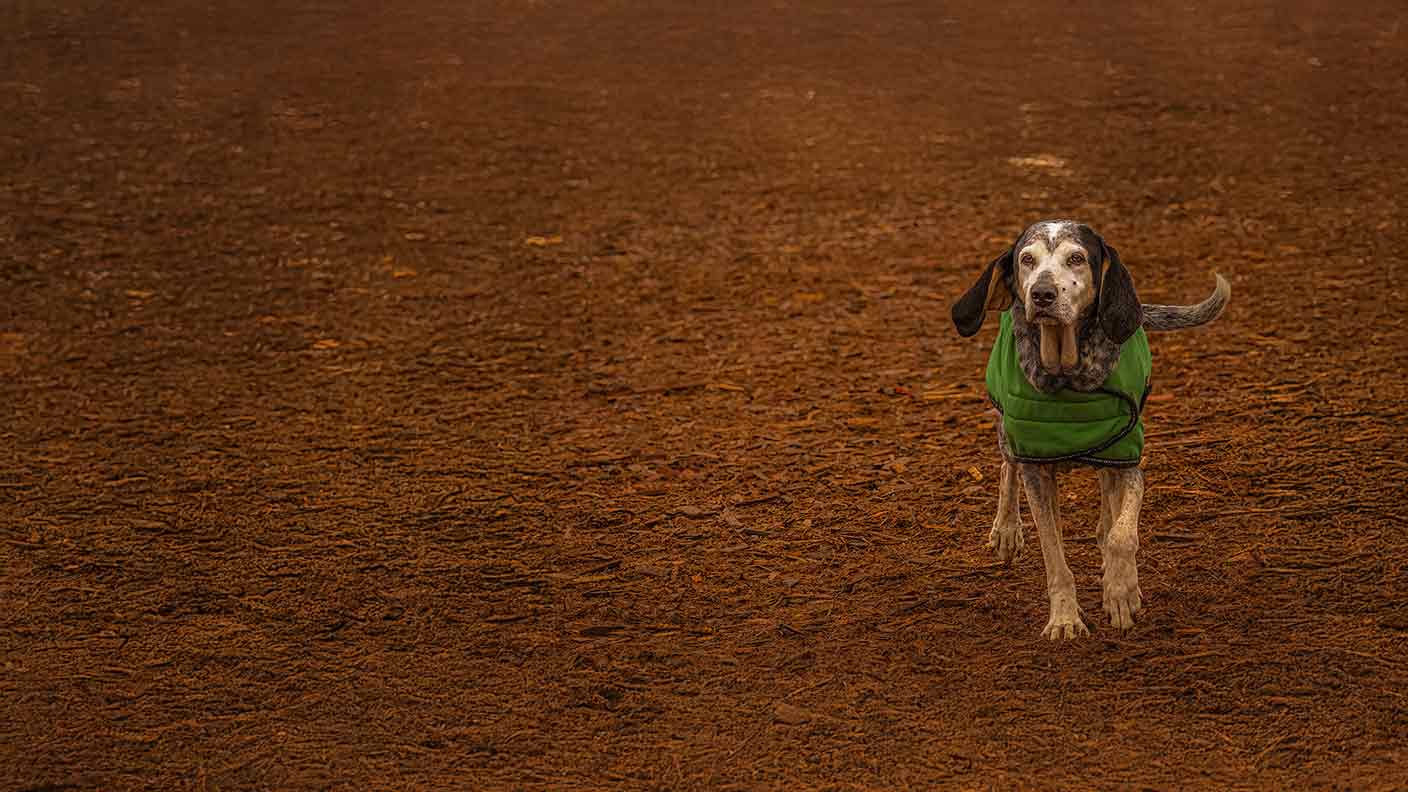
Old dogs in winter guide, coats and tips
Dogs warm our hearts from the moment their toe beans first touch our fingertips. It’s only fair that as they got older, we do our best to warm them back. Get tips on winter dog gear and ways to keep your dog safe and warm when the temperature drops.
Pet insurance provided by Pinnacle Insurance Ltd.
Keeping an older dog warm
Dogs aren’t afraid of the snow – let them outside and you’ll find pawprints leading to a shaggy, powder-covered pooch only seconds later. But while they’re eager, it doesn’t mean they don’t feel the chill.
Many indoor dogs might not be used to the extreme cold that creeps in on winter nights and aren’t immune to developing hypothermia or frostbite. Dogs with shorter coats may need some form of winter dog gear to protect them from the icy temperatures, according to the Blue Cross.
Remember, every dog is different. Some have long coats, some have short coats and even dogs of the same breed may cope better than another. They all handle the cold on different levels, just like us.
Do old dogs need coats in the winter?
Not all ageing canines need winter dog gear; many enjoy colder weather. But some dog breeds that may struggle in winter or cold climates include:
If your home is chilly, these dogs may benefit from a breathable layer on top. Just remove them if there’s heating inside, as they may get too hot.
While they might not be cold weather dogs, breeds such as Border Collies and Golden Retrievers can do well in the cold, so long as they’re fit, healthy and moving. Some breeds excel in winter weather due to their heritage in colder or mountainous climates:
- Husky
- Malamute
- Bernese Mountain Dog
- Samoyed
- Great Pyrenees
These breeds shouldn’t need any winter dog gear to stay warm, as these large dogs with their thick, double coats are built for these conditions. While these breeds cope or even excel in the cold, you shouldn’t leave them outside without warmth or shelter to retreat to.
What temperature is too cold to walk your dog?
While anything above 0°C is preferred, consider how your individual pet copes in different temperatures. You should be able to walk your dog in most temperatures you could walk in, even if only for a moment. Whether your dog needs a coat depends on your dog’s age, breed and condition, so it’s best to examine their behaviour while you’re out.
If you’re worried about your canine being too cold, then look for the following tell-tale signs:
- Shivering or shaking
- Hunched posture or tucked tail
- Laying on or tucking paws
- Whining
- Restlessness
While these could be signs of other issues, they’re a good indication your old pup is cold. Learn more about dog behaviours and how to understand your pooch.
Winter dog gear
Winter dog gear can help your best friend cope better in the cold and make their day-to-day safer and more comfortable. By understanding what options are available, you can give your dog the winter gear that’ll benefit them best:
Waterproof dog coats
Winter weather is worse if your dog’s beautiful coat is soaked through. When your pooch is wet, they’re more susceptible to the cold. But with a waterproof dog coat, you can prevent them from getting as wet on walks. They’ll be easier to dry, and it’ll be better for your upholstery, as they won’t need to shake their fur dry around the house.
Raincoats may not always be the warmest option – but they should keep them dry.
Multipurpose dog coats
Some dogs’ coats do it all – they’re warm, waterproof, and windproof. These coats can be great for your dog in winter, but if the fleece lining or padding isn’t removable, they may not be as practical in summer.
Luxury dog coats
Many fashionable dog coats don’t just look smart, they work great too. Something like a tweed coat can be breathable, cosy and perfect for those cold, dry days that aren’t overbearingly bitter.
Just ensure that the coat you want suits all your pet’s needs – not every coat is suitable for all weather conditions.
High visibility dog coats
Winter nights are dark, and your pup can easily blend into the shadows, even if they’re big, fluffy and bright. Chances are that you’ll walk your dog in the dark at some point. High visibility coats may have strips or entire portions of reflective or fluorescent material, helping them to stand out in the night. Additionally, glowing collars can serve a similar function for an added layer of visibility.
Booties
Doggy booties aren’t just adorable; they’re a handy way to protect their paws from the cold ground. However, if you’ve ever seen a dog walk in socks, you might notice they struggle. Get some doggy winter booties that have a quality sole and Velcro straps, so that they’re insulated, have some grip, and don’t come loose.
Before you head outside, let your dog practice wearing their booties at home. Think of it as their own little doggy catwalk, so they can find their feet. If your pup doesn’t like wearing the booties, don’t force them.
Winter walks with your old dog
Your ageing canine always needs exercise, even when it’s chilly. That’s why it’s just as important to take winter walks with your old dog, but it can be difficult to stick to a routine if they are feeling the chill. As well as getting the right winter dog gear, there are some other things you can do to ensure you’re both safe in the cold:
Keep your dog on its leash
When the snow blankets those once-green fields and hills it can be mystifying and beautiful – ripe for adventure (and a good sniff). You may be tempted to let your dog off the lead to go bounding through the powdered grasslands. However, old dogs still have a puppy-like sense of wonder and could venture onto frozen water or hurt themselves on black ice. They may even lap up antifreeze or excessive amounts of salt in the melting snow.
That’s why it’s important to keep your dog on their leash, especially if you’re unfamiliar with the area. For winter walkies, a reflective or LED-lit lead can help you both stand out in the dark.
Take short walks during the day
When the temperature plummets, you might want to reduce the duration of long walks. Ideally, stick to 30 minutes and take them out while the sun is out, such as in the afternoon when it’s warmest. If you can’t get out as much, or it’s a particularly nasty day, you could look at incorporating a playtime routine to keep them engaged.
Keep them warm
Keeping an older dog warm is essential. They might have those furry coats, but when you’re starting to feel the need for an outer layer, your dog might be too – especially as they age. Snuggling your dog up in a winter jacket isn’t the only thing to think about either.
Your pup’s fluffy paws take the brunt of the elements and as such, they need a little TLC – and not just against the cold. Salt used to grit the paths and roads can get stuck to their feet, which then can be licked and ingested, leading to mild vomiting or diarrhoea. It’s not toxic in small amounts, but it’s far from pleasant. Wiping their paws or giving them warm booties may solve this issue. You can also trim the fur around their paws to prevent painful ice build-up and lingering cold, grit or salt.
Check they’re not too cold
In dogs, hypothermia occurs with a body temperature below 37°C. If your old pup exhibits lethargy, stiffness while moving, pale gums or shivering, they should be taken inside immediately and wrapped up in blankets to warm them. At this point, you should contact a vet just to be safe.
In the bitter cold your dog could be susceptible to frostbite. Try to check for redness, swelling, blistering or blackened skin. Frostbite is most notable on the tip of the tail, nose, toes, ears or paw pads. If your dog is in pain, they may scratch, lick or chew. Bringing a waterproof blanket and fresh water can be helpful things to bring out on a winter walk, just in case.
Keep your dog safe
Don’t let worry get in the way of you and your pup’s quality time. With Sainsbury’s Bank Pet Insurance, you can enjoy peace of mind that your dog is covered against all sorts of scrapes and accidents.
Learn more about Sainsbury’s Bank Pet Insurance today.
FAQs
Do vets recommend dog coats?
Vets may recommend dog coats, especially for shorter-haired or smaller, thinner breeds. However, if you want advice tailored to your dog, it’s best to ask your vet specifically.
Why are senior dogs often cold?
Just like people, as your dog ages, they can begin to decline. This can be in hearing, sight, mobility or thermal regulation. Sometimes, this is because their coats get thinner, their metabolisms slow, or they have less body fat, which can mean the cold hits them harder.
Do dogs need hats in winter?
Whether a dog needs a hat in winter or not depends on the pooch, but some cold-sensitive canines could benefit from a warm hat in extreme weather – especially for their ears. Try to focus on function over aesthetics, even if they look a bit goofy.
Important Information
Sainsbury's Bank plc, Registered Office, 33 Charterhouse Street, London, EC1M 6HA (registered in England and Wales, no 3279730) is authorised by the Prudential Regulation Authority and regulated by the Financial Conduct Authority and the Prudential Regulation Authority (register no. 184514).
Sainsbury's Supermarkets Ltd is an appointed representative of Sainsbury's Bank plc. Sainsbury's Bank plc acts as an introducer to Pinnacle Insurance Ltd who is authorised by the Prudential Regulation Authority and regulated by the Financial Conduct Authority and the Prudential Regulation Authority (register number 110866). Registered office: 4th Floor, Limelight, Elstree Way, Borehamwood, Hertfordshire, WD6 1JH. Sainsbury’s Bank Pet Insurance is arranged, administered and underwritten by Pinnacle Insurance Ltd. Sainsbury's Bank plc and Pinnacle Insurance Ltd are not part of the same corporate group.
We do not provide personal recommendations to customers.